“`html
When Your Summer Gathering Turns Into a No-Ice Crisis
You’re hosting a family cookout at your Portsmouth home on a sweltering July afternoon. The coolers are packed, the grill is hot, and guests are arriving. You open the freezer to grab ice for drinks, only to find your ice bin completely empty. Again. Your refrigerator’s ice maker has been acting up for weeks—sometimes producing a trickle of malformed cubes, other times nothing at all. Meanwhile, the water dispenser works perfectly fine, which makes the whole situation even more baffling. Before you panic-buy bags of ice from the Stop & Shop on East Main Road, let’s figure out what’s going on with your ice maker and whether you need professional refrigerator ice maker repair or can tackle this yourself.
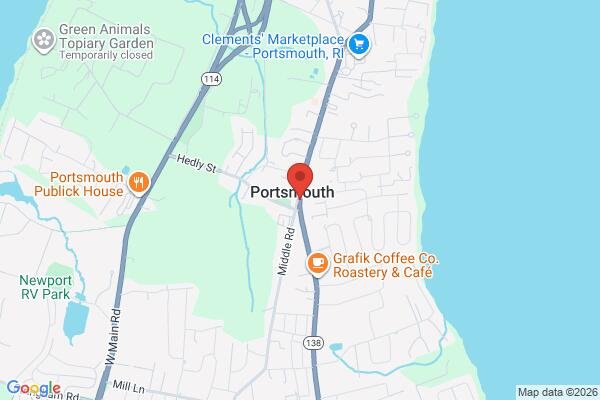
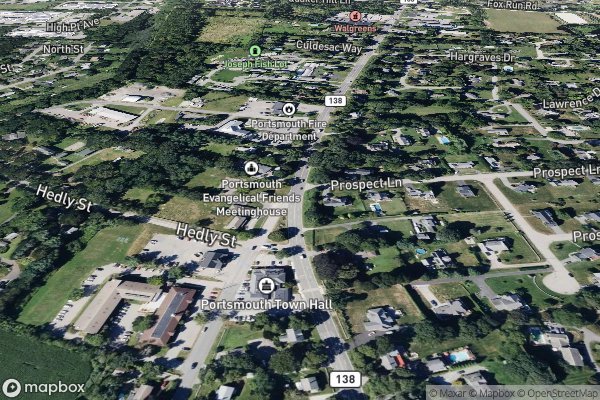
Why Your Ice Maker Stopped Working (But Water Still Does)
The fact that your ice maker not working but water works actually tells you something important: your water supply line is functioning. The problem lies somewhere in the ice-making mechanism itself. Ice makers are surprisingly complex little machines with multiple failure points. The water inlet valve might be partially clogged with the mineral deposits common in Portsmouth’s moderately hard water (typically 3-7 grains per gallon). The ice maker module—essentially the brain of the operation—could have failed electronically. The freezer temperature might be too warm, hovering above the necessary 5-8°F range needed for proper ice production. Or you might be dealing with a frozen fill tube, which is ironic but happens frequently, especially if your refrigerator is in a garage or basement where Portsmouth’s winter temperatures cause temperature fluctuations.
Quick DIY Checks Before Calling for Refrigerator Ice Maker Repair
Before spending money on a service call, run through these diagnostic steps that take about 15-20 minutes total:
- Check your freezer temperature: Use an appliance thermometer (not the built-in display, which can be inaccurate). If it’s above 10°F, your ice maker simply won’t produce ice reliably. Adjust the temperature setting and wait 24 hours to see if production resumes.
- Inspect the fill tube: Look inside the ice maker assembly for a small aluminum tube. If it’s encased in ice, you’ve found your problem. A quick fix: use a hair dryer on low heat to melt the ice blockage, being careful not to melt any plastic components.
- Test the water inlet valve: Located at the back of your refrigerator where the water line connects, this valve should make a slight humming sound when the ice maker calls for water. No sound? The valve may be dead or clogged.
- Examine the ice bin sensor: Many newer models have an optical sensor that stops production when the bin is full. Sometimes these sensors get dirty or misaligned. Wipe it clean with a damp cloth and make sure the bin is properly seated.
- Look for ice clumps: If you’re experiencing ice maker leaking water inside freezer, you might have ice buildup around the maker that’s blocking the mechanism. This often indicates a defrost system problem.
Brand-Specific Issues Common in Portsmouth Homes
After servicing hundreds of Portsmouth households in the 02871 area, certain patterns emerge with specific refrigerator brands. If you’ve got a Samsung ice maker freezing up fix on your to-do list, you’re not alone—Samsung models from 2014-2018 are notorious for ice buildup problems due to a design flaw in the ice maker compartment. The fix often involves installing an aftermarket service kit that improves airflow and prevents moisture accumulation. This typically costs between $150-$280 for professional installation. LG refrigerators, popular in many of Portsmouth’s newer developments off Union Street, tend to have different issues. LG refrigerator ice maker repair cost usually runs $180-$350 depending on whether you need a new ice maker assembly or just a control board replacement. LG’s linear compressor technology is excellent for energy efficiency, but when the ice maker fails, it often requires replacing the entire module rather than individual components.
When DIY Becomes “Don’t-I-Yourself”
Some ice maker issues demand professional intervention. If you’re dealing with refrigerant leaks (you’ll smell a chemical odor or notice frost patterns on exterior refrigerator walls), don’t attempt repairs—refrigerant handling requires EPA certification. Similarly, if your compressor is running constantly or making grinding noises, the problem extends beyond the ice maker to the cooling system itself. Water pooling under your refrigerator or visible water damage on your kitchen floor means you’ve got a leak that needs immediate attention to prevent damage to your home’s structure. Many Portsmouth homes have beautiful hardwood floors that don’t tolerate water well, and in older properties near the waterfront, moisture problems can compound quickly in our humid coastal climate.
The Real Cost of Refrigerator Ice Maker Repair in Portsmouth
For straightforward refrigerator ice maker repair in Portsmouth, expect to pay $150-$200 for a service call that includes diagnosis and minor repairs like replacing a water inlet valve or fixing electrical connections. Complete ice maker assembly replacement typically runs $250-$400 including parts and labor. That might seem steep compared to buying a countertop ice maker for $100, but consider that a repaired built-in ice maker adds convenience and maintains your refrigerator’s resale value—something to keep in mind in Portsmouth’s competitive real estate market where well-maintained appliances matter to buyers.
Finding the Right Appliance Repair Professional in Portsmouth, RI
When your ice maker stops making ice and DIY troubleshooting hasn’t solved the problem, look for a local appliance repair technician in the 02871 area who services your specific refrigerator brand, offers transparent pricing before starting work, and can source parts quickly. A qualified Portsmouth repair professional should diagnose the issue within 30 minutes and give you options rather than automatically pushing for the most expensive repair.
“`

